As part of Vancouver Foundation’s latest initiative, the Just and Sustainable Futures Fund, LET’S consulted as a Community Advisor. The fund is a grant stream “[to] invest in the self-determination of people most impacted by systems of oppression, to support the conditions for a just and sustainable future to emerge for all.”

Last month, we interviewed 3 community members and storytellers. The next step was a 3 day summit at The Brew Creek Centre in Whistler. Community advisors came together, with staff of Vancouver Foundation, to share what our storytellers had relayed.

LET’S offered to provide sensory items for all participants. Little did we know how vital bringing the sensory items would be for those who participated. Unfortunately, the way the process was planned and facilitated had many issues. There was a definite lack of cultural and psychological safety.

(A collection of low sensory items provided, including: acupressure rings, pop-it keychains, spinning soccer balls, meditation stickers, sensory stickers, and slinkies.)

The issues actually started with the questions provided to community advisors to ask the storytellers. They were very broad and hard to answer. The 3 people LET’S interviewed were unsure if they were giving answers that were in keeping with what Vancouver Foundation was trying to learn. The questions asked participants to share examples of when they had experienced a just and sustainable situation. At the summit, the majority of participants said that the community members they interviewed have not experienced that within their lives.

The way the process was designed, and the agenda, was built in a way that did not properly incorporate community knowledge and experience. Nor did it incorporate appropriate opportunities to create trust in the space before jumping into intense conversations.

Unfortunately, the facilitators that were chosen were not from identities of marginalized populations. This created a barrier, and a disconnect, right from the start. Throughout the first 2 days, there were several missteps and comments that needed to be called out and addressed. The facilitators changed on the 3rd day.

The environment was such that participants did not feel secure in sharing their community members’ stories. Several Community Advisors felt pressured to share personal information. There was a lack of opportunity to build trust and that affected the overall experience.

The agenda that had been planned for the process was completely changed. Participants called in how the process was not equitable. A concern that LET’S raised was that Vancouver Foundation asked us to gather stories then break them down into a form that Vancouver Foundation asked us to fill in prior to the summit. LET’S had refused this and provided the entire interview (unless participants had asked for something to be removed). It is not equitable or just to filter other people’s experiences or words. We should not be the ones deciding what should be shared. We also mentioned that it was a disconnect to invite storygatherers to the summit but not the storytellers. Instead, the storytellers should have been the ones invited to the summit to share their stories in their own way.

Another concern that we named was holding the summit at The Brew Creek Centre. While the staff, location, and food were all great, it must have cost Vancouver Foundation a lot of money. Money that could have been used by the many communities represented by the storygatherers.

As the process continued, past the summit, not all storygatherers agreed to have their storytellers’ stories used by Vancouver Foundation. On the 3rd day of the gathering, we had several people who left and either stayed away for a few hours or refused to return because of the harm they had endured.

Thankfully, there were a few things that did work. The opportunity for the Community Advisors to meet one another and connect, both personally and professionally, was great and very much utilized. Within these relationships, there was support, moments of joy and connection, and the ability to examine and reflect the gatherings. The agenda did not allow for enough time for these relationships to develop and that was certainly noted.

A saving grace of the summit was the attendance and participation of Elder Yvonne Rigsby Jones (Snuneymuxw First Nation, Coast Salish) and Elder John Jones (Tseqalmit). Their steady presence and wise words helped alleviate some of what occurred. They were available within the group sessions and for 1 on 1 conversations. They also utilized Cedar in several ways to bring in a more positive energy. Cedar is used for healing, wellness, and ceremony. Many (but not all) Indigenous communities consider cedar to be 1 of 4 sacred medicines. The others being tobacco, sage and sweet grass. Elder Yvonne and John provided a steady, calm, warm, and comforting energy. Their perspectives and insights throughout helped to lessen the tension. Their presence was vital to the entire experience and very much appreciated.

(The boughs of Western Cedar.)

As the summit was emotionally intense, the sensory items were very much appreciated and utilized. In some moments, it was so intense, that participants rubbed the colour off their acupressure rings. LET’S was thanked by all participants for providing a way for them to release and regulate emotions.


(A Palestinian summit participant holds up

a row of acupressure rings on the end of

his Black and White Keffiyeh scarf.)

In response to all the feedback, Vancouver Foundation staff went back to work and had discussions about how to proceed. They provided Community Advisors with a survey to gather more information. Vancouver Foundation shared the results with participants. It included the following:

“Your contributions have given us (and continue to give us) the foundation to realign our efforts and the collaborative work we are doing to establish the Just and Sustainable Futures Fund.

While some found meaningful connections–particularly on day 2 during the reintroduction circle and in-between summit spaces (meals, walks, etc), we also recognize and acknowledge that a few of you did not feel psychologically safe and experienced harm along the way. As VF staff, we are convening this week and next week to thoughtfully respond to issues that arose. We don’t have all the answers right now, and we feel the importance of slowing down, reflecting and responding properly in the coming days and weeks. In the meantime, we really appreciate and value your patience as we work through some post-summit logistics.”

LET’S is interested to see what the next stage is for this project and how Vancouver Foundation will adapt to the provided feedback.
LET’S is consulting for SFU on the creation of their Accessibility Plan, a requirement of the Accessible BC Act.

“An organization must develop a plan to identify, remove and prevent barriers to individuals in or interacting with the organization. An organization must review and update its accessibility plan at least once every 3 years. In developing and updating its accessibility plan, an organization must consider the following principles: inclusion; adaptability; diversity; collaboration; self-determination; universal design.

In developing its accessibility plan, an organization must consult with its accessibility committee.”

We met in May for LET’S to deliver a Disability Awareness workshop. Preceding the workshop were introductions to team members, including:

  • Heather McCain (LET’S’ Executive Director, accessibility consultant)
  • Allison Rugge (Rugge Consulting, project management, planning, analysis, leadership)
  • Laya Behbahani (SFU, Director, Equity Diversity Inclusion, Staff, Office of the Vice-President, People, Equity & Inclusion)
  • Rachel N. Wong (SFU, communications)
    Katrina Trinidad (SFU, student communications)

Heather, from LET’S, was retained by SFU to guide the project team on how best to communicate with accessibility in mind. The Disability Awareness workshop included accessibility guidelines when communicating out the invitations for consultations on the Accessibility Project. The workshop was well received and attendees learned a lot. Workshop topics included:

overview of types of disabilities, neurodiversity, Deaf/deaf
current terminology,
avoiding using diagnosis’ as adjectives,
intersecting factors that affect how language is used,
not using disabilities in idioms, metaphors, etc.
how to ensure ableism isn’t embedded in language,
person first versus identity first language

Vancouver Foundation provided a list of questions about storytellers’ experience with justice and sustainability. The questions were extremely broad, leading all storytellers to ask, repeatedly, “am I answering the question?” and “am I giving you the information that’s needed?” We worked our way through the questions, each having a slightly different read on the conversation. However, all have shared commonalities.

Heather chose 3 community members who are doing important work. They are:

Calla Evans is a fat, queer, disabled, white settler living on the stolen lands of the xʷməθkwəy̓əm (Musqueam), Skwxwú7mesh (Squamish), and səl̓ílwətaʔɬ/Selilwitulh (Tsleil-Waututh) peoples, colonially known as Vancouver, BC.

Calla is an image-maker, visual storyteller, digital problem solver, fat activist and ex-scholar. Much of her practice explores the material conditions of fatness in so-called “Canada” as well as digital fat identity construction and performance. She is a passionate advocate for a more fat-inclusive outdoors and works with industry stakeholders to improve access, safety, and representation for fat people in the outdoors. Calla currently also works as a digital storytelling facilitator at Re•Vision: The Centre for Art & Social Justice. She cultivates as much time as possible in the woods with her pup, Ellie.

Carmel Tanaka (she/her) is a queer, neurodivergent, ‘Jewpanese’ (Jewish and Japanese Canadian) woman of colour from the west coast on the unceded territories of the Musqueam, Squamish, and Tsleil-Waututh peoples. She is a community engagement professional and  consultant, who knows what it takes. She has founded a number of leadership initiatives:

JQT Vancouver
Jewpanese Project
Cross Cultural Walking Tours
Genocide Prevention BC

Carmel is a creator of written and video media content, as well as a dynamic speaker and panelist regular. She holds a Masters in Public Health, specializing in Emergency & Disaster Management from Tel Aviv University, and a Bachelor of Arts, specializing in Asian Language & Culture from the University of British Columbia.

The 3rd participant chose to be anonymous. We talked about a variety of issues. They are a long time 2SLGBTQIA+ advocate who is disabled. They spoke about how inequitable the system of scarcity is for disabled people. They and others have to rely on fundraising campaigns to cover necessary disability supports like wheelchairs and walkers. Not only should the government be covering the needs of disabled people (who can’t afford to on their own) but fundraising relies on social capital. This is unfair, especially for people with disabilities who are isolated because they don’t have access to the mobility devices that would enable their being out and involved in community.

LET’S’ Executive Director taught 2 workshops for the Vancouver Foundation May. The workshops were very well received, which led to an invitation for Heather to join Vancouver Foundation’s latest initiative, the Just and Sustainable Futures Fund, as a Community Advisor. The fund is a grant stream that directly lives in the Grants and Community Initiative department’s newly developed North Star, “[to] invest in the self-determination of people most impacted by systems of oppression, to support the conditions for a just and sustainable future to emerge for all.”

In our invitation, our role in the initiative was explained: “As part of this initiative, you will collaborate with a diverse group of passionate individuals who are all driven by the same goal: to empower and uplift those most affected by systems of oppression. This is not just a project; it’s an opportunity to be at the forefront of creating impactful, long-lasting change within our community.

Your role will involve story-gathering and systems mapping through stories, harnessing your unique skills in deep listening, and innovative thinking to help shape a grant stream that truly reflects the needs and aspirations of our community members across British Columbia.”

Heather was asked to help to shape the design and future of this granting stream, by contributing collaborative energy towards gathering and mapping stories that would be used to create the grant prototype. They were asked to participate in deep listening, storytelling & sharing by individual community members.

(A group of diverse community members.)

The Polygon Gallery engaged LET’S in providing on-site feedback for the gallery’s “Velvet Terrorism: Pussy Riot’s Russia” exhibition. The Polygon was interested in exploring how to make the exhibition more low sensory friendly for visitors on their low sensory night. This was an interesting consultation opportunity, due to the exhibition’s overwhelming visual, sonic, and physical intensity, and its densely structured maze-like multimedia environment, including 52 monitors.

LET’S did a walkthrough with gallery staff. LET’S’ staff person has sensory issues and was quite overwhelmed by the exhibition, even as they admired the whole display. We were able to make suggestions on how to reduce the intensity of the sensory overload. It was obvious that staff had already given it a lot of thought. They had great suggestions.

It was  a challenge to reduce the sensory experience because the overwhelm was a purposeful part of the exhibition. We were conscious of not reducing so much that the impact of the display was not felt. Balancing accessibility with the artists’ evocative exhibition was a thought-provoking exercise. We were very happy with the balance that we struck. We heard the event went extremely well. The gallery received positive feedback from neurodivergent folks and visitors, who were unaware it was a reduced sensory night, who benefited from the reduction in sensory stimuli.

The Polygon Gallery engaged Heather McCain in providing on-site feedback on the gallery’s “Velvet Terrorism: Pussy Riot’s Russia” exhibition. The Polygon was interested in exploring how to make the exhibition more low sensory friendly for visitors on their low sensory night. This was an interesting consultation opportunity, due to the exhibition’s overwhelming visual, sonic, and physical intensity, and its densely structured maze-like multimedia environment.

The low sensory event was a success. Visitors who require low sensory were glad to find staff prepared and aware of the various ways low sensory spaces can be supported. There was an adjacent room set up as a low sensory space with stim toys, colouring, and quiet. The Pussy Riot exhibition is purposely sensorily overwhelming and Polygon Gallery worked to lower that without affecting the impact of the exhibit. Some visitors also shared that they didn’t think they would be able to last long and instead were able to enjoy the exhibit as much as they wanted. The staff said it was great to hear such immediate, positive feedback.

LET’S started our relationship with The Polygon Gallery in 2021, providing Disability Awareness and Gender & Sexuality workshops and an accessibility audit. We were pleased to see them make immediate improvements, based on our recommendations. The Polygon Gallery also applied for, and received, funding to increase accessibility. Since that time, we have been in regular contact as they continue to learn about accessibility and the needs of the disability and neurodivergent communities. We look forward to our continued relationship.

LET’S was contacted by the Director of Projects at SFU (Simon Fraser University). They are supporting the SFU Accessibility Project, which was established in response to the enactment of the BC Accessibility Act. They reached out to LET’S as a potential consultant who could support their office with drafting an Accessibility Plan.

LET’S’ name was shared with them by a member of their Accessibility Committee and a colleague who had spoken very highly of one of our workshops. We look forward to proceeding on this project.

United Way’s Period Promise campaign increases access to free menstrual products in communities so that everyone who menstruates can go to work, get to school, access services, and stay connected to their community.

LET’S was contacted by the Capacity Building Specialist of the campaign. They are speaking with a variety of organizations to make sure their work continually meets community needs. After conversing with a LET’S staff member, the campaign supplied LET’S with free reusable and disposable menstrual products to give out at our low sensory spaces. They are hoping to get some useful information on participants’ experiences using reusable menstrual products, with the goal that this data will inform future policy changes that address period poverty in BC, and ultimately help to better serve our communities.

(Illustrations of menstrual products, including calendar, pads, tampons, menstrual cup, underwear, and the pill.)

As more public policy gets written around access to menstrual products, the campaign hopes to better understand what impact reusable products can have as part of building long-term solutions. To this end, they are building a research concept in partnership with community organizations who offer support to those demographics that disproportionately experience period poverty in BC: people living with disabilities, Indigenous peoples, and families making less than $40,000 a year.

They are seeking potential partners to work with. LET’S is planning an event with them for the Spring. More information to come.

Over the 18 years of CAN’s (now LET’S) existence, we have had many requests for services. We were excited to receive a new type of request. We were emailed: “I am an author / illustrator living on Vancouver Island and I am in the process of writing a grant application. For a future project I would like to hear from people in the disability community to help inform the project, and I would like to work with a disability consultant to help me navigate this as well as the content of the story and art.”

As an organization with many book lovers (definitely including our founderExecutive Director), CAN/LET’S of course said yes. We are looking forward to this new project.
We will announce the author and book in a future newsletter.

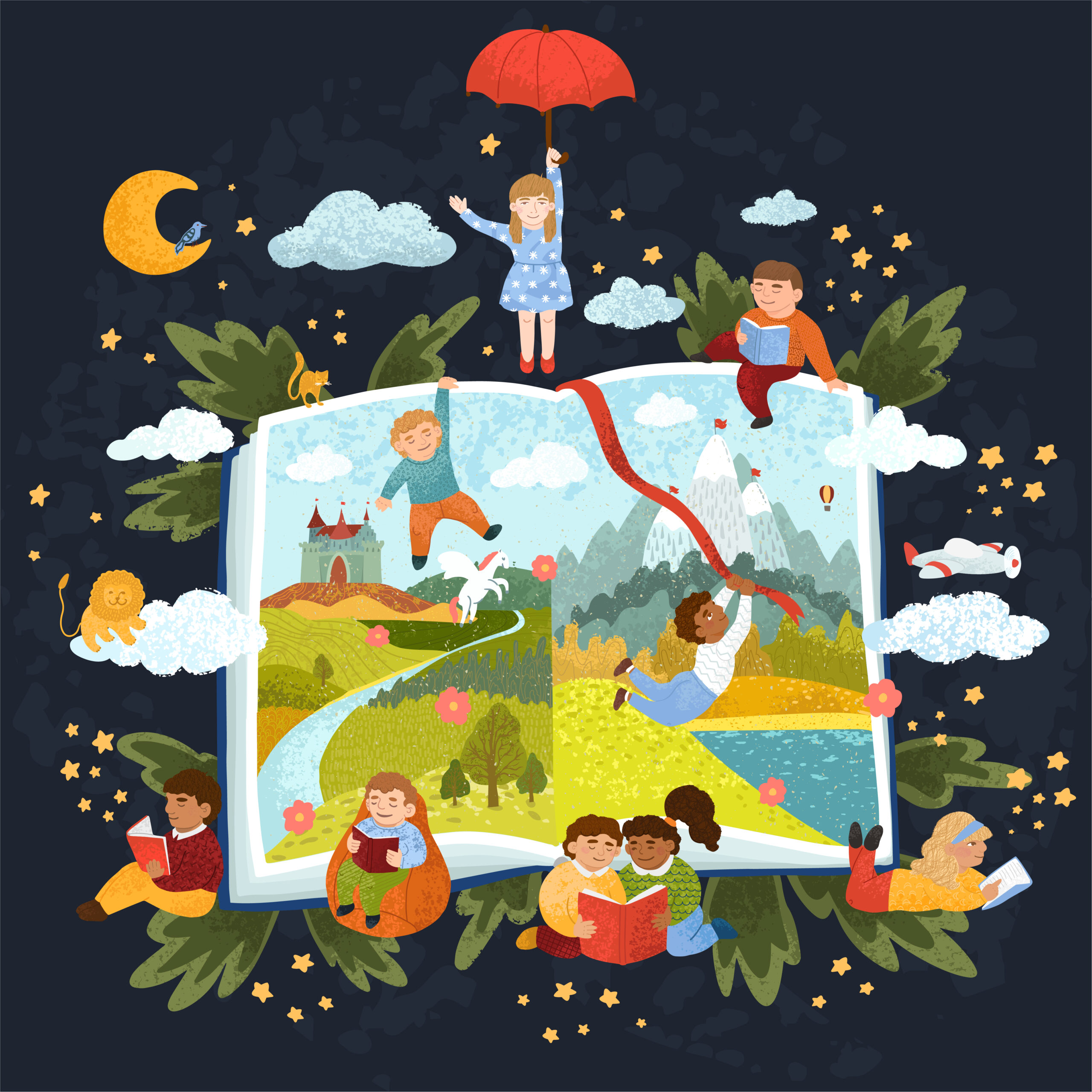
Illustration of an open childrens' book with a castle, hills, and waterways. Surrounding the book are children reading.

CAN/LETS participated in the consultation to gather perspectives from patients and community members on the priority health concerns in British Columbia and how future physicians should be trained to meet these needs.

The purpose of the project was to co-create with patients and the public a set of evidence-based guiding principles, models and processes for the authentic, responsive, ongoing and sustainable engagement of patients and the public in the mission, goals, curriculum and delivery of medical education. The goal is to make medical education more responsive to the needs of society.

Guiding Principles for Patient/Public Engagement

  • Accountability: Includes transparency, feedback, and shared outcomes.
  • Inclusion: People with diverse perspectives are sought and invited to participate.
  • Engagement processes are easily accessible.
  • Reciprocity: Relationships are mutually beneficial and based on trust and mutual respect.
  • Partnership/Shared Decision-Making: University and community partners have equal voices and shared responsibility.
  • Co-Production: University and community partners work together to co-develop and co-design engagement processes and activities.
  • 2-Way Communication: Communication is open and honest, with clear expectations on both sides.
  • Support: Community partners receive the support and information they need to participate fully.
  • Different Levels of Engagement: There are diverse opportunities for the community to engage in health professional education (from classroom to committee).

3 different formats (diagram, summary, and descriptive) of the guiding principles are available for download through the buttons here. You can also watch a video of patient/public member’s perspectives on the guiding principles here.