Disability & Environmental Justice


Environmental Justice has an intrinsic connection with Disability Justice. Both movements fight against the oppressions that disproportionately harms people from communities and identities pushed to the margins.

Both movements recognize and educate about the effects of economic injustices and isms like ableism, classism, and racism. Colonialism and capitalism, for example, are in favour of unimpeded economic growth and personal profit which leads to the devaluing the inherent worth of ecosystems, land, waterways, and people while exploiting them for wealth. Disabled people are devalued because we may not be as economically “productive” as others, thereby seeing us as without worth and value. Environmental Justice and Disability Justice fight back with the fundamental belief that people and land have inherent worth.

Join us to discuss strategies, both individually and collectively, that we can utilize to improve our interconnected future.

Discussion includes:

  • How environmental injustices disproportionately affect marginalized communities.
  • The similarity of disability denial and climate silence, both socially organized denial.
  • Disabled people being more susceptible to environmental harms and why.
  • Examples of environmental harm.
  • The intertwined relationship between nature and health.
  • Pushing back against the devaluation of lands and peoples.
  • The severe and enduring negative impacts on mental health issues by environmental injustices.
  • Utilizing Indigenous practices to better care for the land.
  • Community care, justice, and sustainability are intrinsically interwoven.
  • How to better utilize disabled people in the Environmental Justice movement.
  • Prioritizing cross-movement solidarity to work together towards our joined liberation.


LET’S’ Disability & Environmental Justice workshop is created, researched and facilitated by disabled people who are impacted by environmental issues.

Our lived expertise is vital to properly representing gender and sexuality identities.


Workshops can be customized and tailored in length.

Book by contacting us at hello@ConnectWithLETS.org or by phoning 778.723.5387

 

Heart shaped earth with growing plants.

Lived Expertise Matters!

This workshop empowers participants to understand the importance of meaningfully integrating lived expertise into their organizations, services, and communities.

Drawing from knowledge and experience with systems, challenges, and barriers, this session explores how lived expertise can drive authentic change and create more equitable and responsive ways of proceeding in our work.

LET’S is unique in that all our staff, researchers, and educators are of the identities of the project we are doing (i.e. 2SLGBTQIA+ workshop facilitator is queer, accessibility auditor is disabled, etc.). For 20 years, LET’S that has been utilizing the personal experiences, stories, and lived/living expertise of our staff. We have also been entrusted with sharing the lived expertise of our members, an honour we don’t take lightly.

At LET’S, we share our stories to bring perspective to the educational opportunities we facilitate. Our speaking authentically and openly encourages others to find ways to share their stories and create more space to hear and contemplate stories from others.

It is vital to honour people’s stories and their opening themselves up to be vulnerable and relive emotional experiences. Hearing a person’s story comes with responsibility, whether personal contemplation and/or assessing how it can be applied to our environments (work, volunteering, family, friends, community, religious institutions, hobbies, activism, etc.).

Clients and workshop participants say that the stories we share give them more context and connection and make the material more memorable.

Our voices combined leads to transformational change in our communities, workplaces, and interpersonal relationships

Learning objectives include:
·      Understanding the difference between lived/living experience versus lived/living expertise
·      Creating authentic, ongoing relationships with people with lived/living expertise
·      How to move beyond the tokenistic consultation model
·      Learn how to create braves spaces that recognize people’s varying experiences in life
·      Understand the value and importance of lived/living expertise in creating more effective, equitable services and policies
·      Address barriers that prevent meaningful participation and implement enablers that support genuine sharing
·      How to address power dynamics and build trust


This workshop has been created by people who utilize their lived/living expertise to make meaningful, transformative changes within interpersonal relationships, communities, and workplaces.


Workshops can be customized and tailored in length.

Book by contacting us at hello@ConnectWithLETS.org or by phoning 604.437.7331


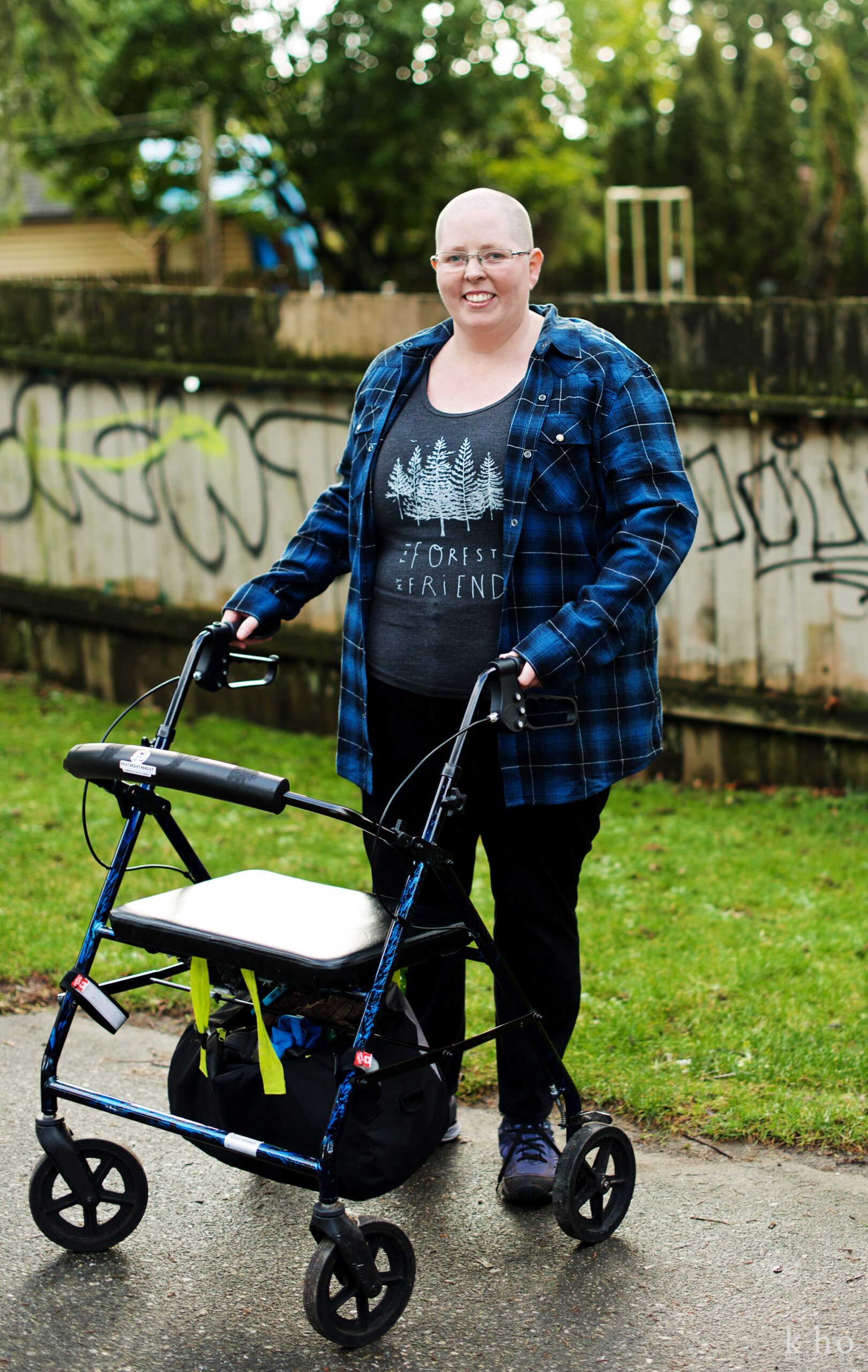
Workshop facilitator Heather McCain, outside with their walker.

Disability History (Canada)

This workshop explores the history and ongoing journey of disability rights and experiences in Canada, spanning from the 1800s to today. We will explore major turning points, such as the creation and closure of institutions, the impact of eugenics policies, and the introduction of key laws like the Charter of Rights and Freedoms and the Accessible Canada Act. We’ll highlight the power of grassroots disability activism, showing how community organizing and lived expertise have driven policy change and challenged ableist systems

The workshop will also unpack how different ways of understanding disability – including the medical and social models, as well as reclaimed identities like “crip” and “mad” – have shaped public attitudes, government policy, and the disability rights movement. We’ll discuss how intersectionality and disability justice frameworks, such as the 10 principles from Sins Invalid, have broadened our understanding of disability to include the experiences of people who are also racialized, queer, Indigenous, or otherwise equity-denied populations.

Throughout, we’ll center disabled people’s autonomy, leadership, and ongoing resistance. By connecting the past to present-day advocacy and accessibility challenges, this workshop will help participants see disability history as a living, collective struggle for equity, justice, and community belonging.

Learning objectives:

  • Explore the historical trajectory of disability policy in Canada from institutions to today’s accessibility legislation and laws.
  • Find out about important court cases and legal decisions that shaped disability rights in Canada.
  • Compare and contrast medical and social models of disability
  • Understand the political nature and history of the reclaimed terms crip and mad
  • Learn about the emergence and evolution of disability rights movements in Canada,
  • Explore how how intersectional frameworks have expanded disability awareness
  • Brief overview of SinsInvalid’s 10 Disability Justice principles
  • Speak to current disability issues, ongoing challenges, and potential opportunities


This workshop has been created by disabled people who utilize their lived/living expertise to make meaningful, transformative changes within interpersonal relationships, communities, and workplaces.


Workshops can be customized and tailored in length.

Book by contacting us at hello@ConnectWithLETS.org or by phoning 604.437.7331


Workshop facilitator Heather McCain, outside with their walker.

Disability Awareness

People with disabilities represent the world’s largest minority, and the only minority group that any of us can become a member of at any time. And yet they still experience barriers, prejudice, and bias on a daily basis.

Our workshop challenges all to more fully address ableist notions of how we think about, and label, our bodies, minds, and senses.

Our Disability Awareness workshops gives you the tools to understand what disability is, the types of disability, the current language of disability, what ableism is, how you can actively work to fight against it, and tips for disabled people and allies alike to better ensure equity in all that you do.

We deliver introduction workshops as well as more advanced workshops. We are able to customize our workshops for your needs. We have done Disability Awareness workshops specific to: education, employment, events, customer service, disability justice, and more.

Discussion includes:

  • Disability definition
  • Disability types
  • Who sets the parameters of professionalism
  • Access is not a fragmented need
  • Types and examples of ableism
  • Current terminology of disability
  • How to be less ableist with your word choices
  • Person first versus identity first language
  • Ways to be an ally to disabled people


LET’S’ disability workshops are created, researched and facilitated by disabled people.

Our lived expertise is vital to properly representing gender and sexuality identities.


Workshops can be customized and tailored in length.

Book by contacting us at hello@ConnectWithLETS.org or by phoning 604.437.7331


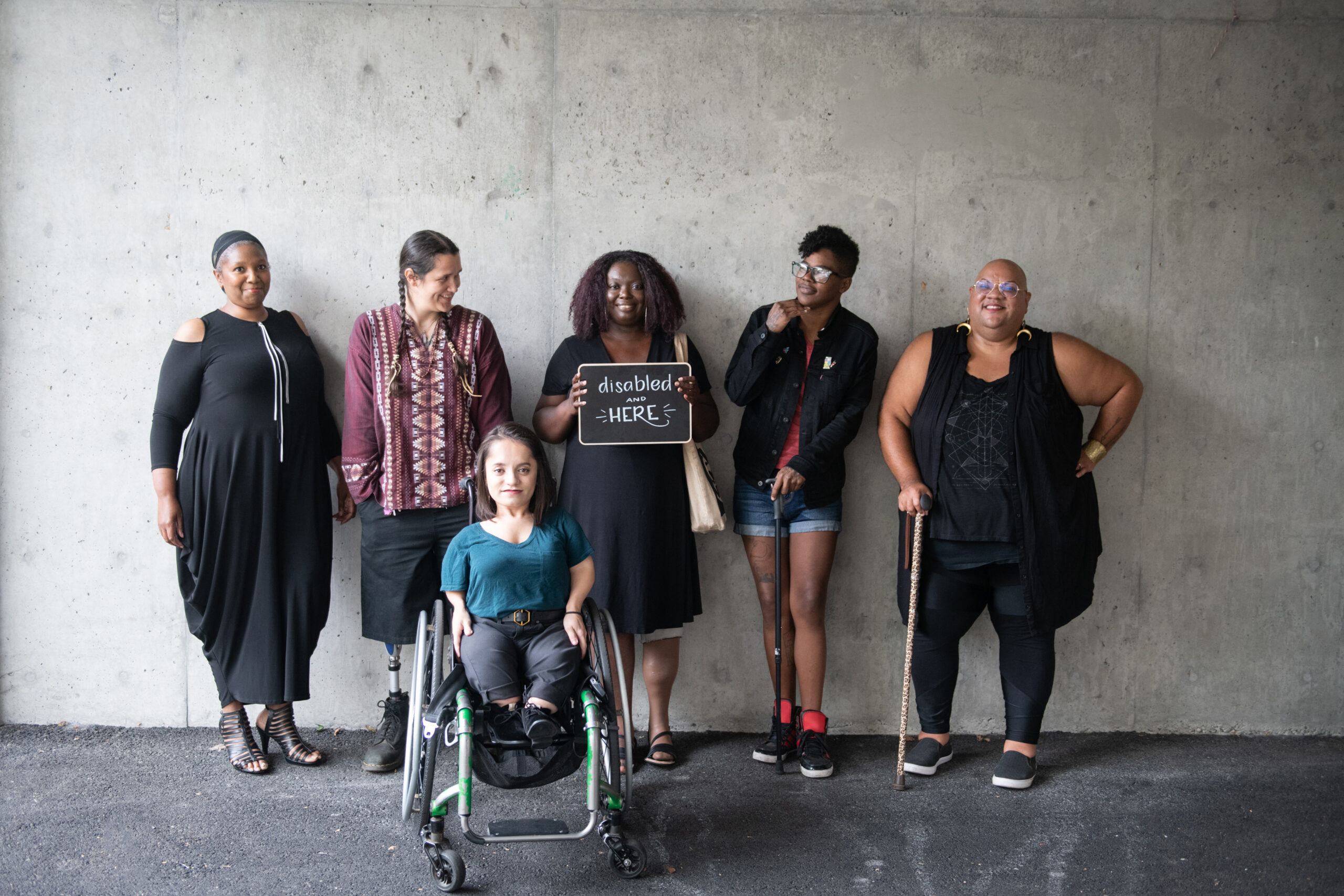
Six disabled people of color smile and pose in front of a concrete wall. Five people stand in the back, with the Black woman in the center holding up a chalkboard sign reading "disabled and here." A South Asian person in a wheelchair sits in front.
Description from Disabled and Here website. Six disabled people of color smile and pose in front of a concrete wall. Five people stand in the back, with the Black woman in the center holding up a chalkboard sign reading "disabled and here." A South Asian person in a wheelchair sits in front.

Crip Kindness

Disabled people have developed ways of being together that recognize people’s inherent worth and values that each individual has to offer. Join us for a discussion about how crip kindness and community care can be transferred to everyday life.

Discussion includes:

  • Definitions of disability.
  • Definition of crip and reason for using the word and concept of crip .
  • Exploring the idea of a Crip Doula.
  • Exploring why crip work is necessary.
  • Creating support systems, care networks, and communication webs.
  • Self-care versus community care.
  • Definition of kindness and how it applies to disability, disabled people, and crip work.
  • Utilizing crip philosophies to challenge “norms”, such as what we consider good behaviour and professionalism – and how these “norms” harm people with disabilities.
  • Ways to move forward in a shared path to better meet the needs of the collective, respect and value what each person has to offer, and recognize the inherent worth of every person.


LET’S’ Crip Kindness workshop are created, researched and facilitated by those who identify as crip.

Our lived expertise is vital to properly representing gender and sexuality identities.


Workshops can be customized and tailored in length.
Book by contacting us at hello@ConnectWithLETS.org or by phoning 604.437.7331


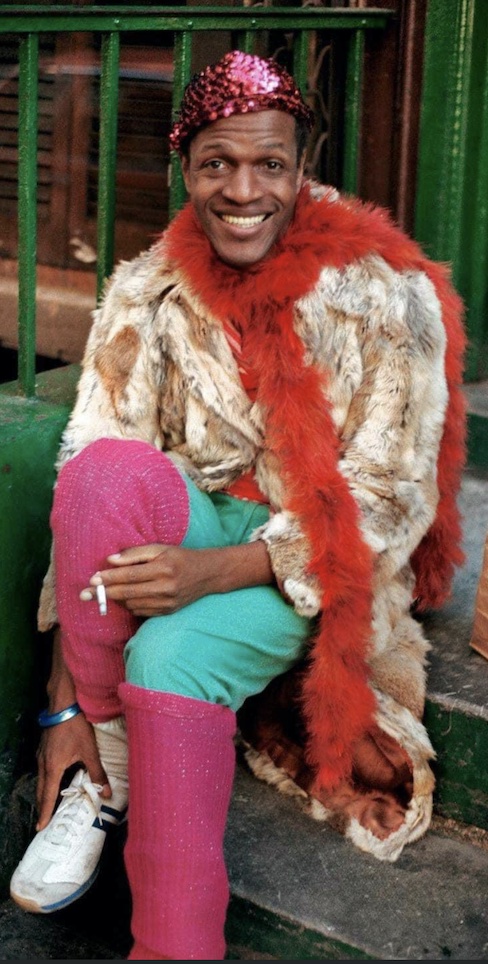
Marsha P. Johnson, shown on this slide in a rare colour photo, is smiling at the photographer, a cigarette in her hand as she sits on a stoop in pink leggings, green pants, a beige patterned jacket, a red scarf, and a sparkly pink hat.
Marsha P. Johnson, shown in a rare colour photo. Photographer unknown. Photo was taken in 1982. Though history rarely mentions it, Marsha P. Johnson, best known for her role in Stonewall, was also a disability activist . Marsha P. Johnson said “I’ll always be known [for] reaching out to young people who have no one to help them out, so I help them out with a place to stay or some food to eat or some change for their pocket. And they never forget it. A lot of times I’ve reached my hand out to people in the gay community that just didn’t have nobody to help them when they were down and out.”  Marsha is an example of Crip Kindness in action.

“Heather is passionate about the topic of disability awareness and their enthusiasm helps to encourage participants in believing that by working together we can create a more accessible, equitable, and just world.

I feel equipped and motivated to move forward and put into practice that which I learned from Heather.

I highly suggest Heather as an educator and workshop facilitator. I contemplated that which was covered in the session long after the workshop. I look forward to participating in future workshops by LET’S.”

Adrienne Neil
Disabled person and workshop participant